How Long Does it Take to Adjust to New Hearing Aids?
The truth is, the first few days with hearing aids can feel a bit like
Serving the North Carolina Coast | Based in Wilmington, NC
(910) 558-0025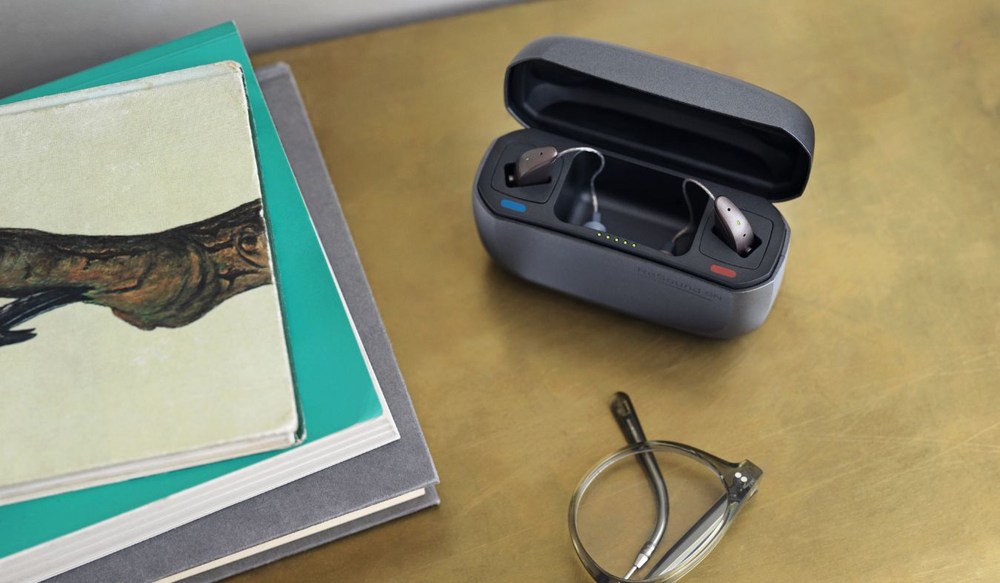
By: admin | February 20, 2026
The truth is, the first few days with hearing aids can feel a bit like you’ve turned the volume up on a world that was perfectly quiet 10 minutes ago.
Suddenly, you’re noticing the floor creaking or the sound of your own sleeves rubbing together and it can be a lot to take in. It is completely normal to feel a little worn out by the end of the day because you’re processing so much more noise than you’re used to.
Most people find that the “newness” of it all starts to fade once they stop focusing on every single little sound.
You eventually reach a point where you aren’t even thinking about the devices anymore; you’re just listening to the person across from you. It takes some time to get to that sweet spot, so it makes sense if you feel a bit frustrated while you’re still in the middle of it.
Starting with new hearing aids can feel surprising because your brain is being reintroduced to sounds it has not fully processed for a while. Normal noises, voices and environmental sounds may seem sharper, louder or slightly unfamiliar.
Your brain needs time to learn how to identify, separate and understand these sounds in a meaningful way.
This adjustment period is essential because hearing is not just about picking up sound. It is about interpreting what those sounds mean. Initially, voices might feel blended with background noise or common sounds may seem unusual. Regular use of your hearing aids allows your brain to sort through these signals and identify patterns.
Starting with new hearing aids can feel surprising. Sounds you might have ignored or barely noticed before, like running water, footsteps or doors closing, can seem more pronounced.
Your own voice may also seem different at first, sometimes louder or echo-like, and the feeling of having devices in your ears can take some getting used to. These reactions are completely normal and tend to settle as you continue wearing the devices.
Listening in crowded or noisy environments can feel challenging at first. Your brain is learning to separate voices from background sounds and to interpret each noise accurately.
Some conversations may require more focus than usual, and certain sounds may stand out more than expected. This is a natural part of the brain adjusting to the new input it is receiving.
These early sensations gradually ease. Your brain begins to recognize familiar voices, environmental noises and the subtleties of different sounds, making listening feel more natural.
Most wearers notice that what once felt overwhelming becomes routine, and daily interactions become clearer and less effortful.
The first few days with hearing aids can be a bit of a shock. Sounds you haven’t really thought about in years, like the faucet running or your own footsteps on a hardwood floor, suddenly feel very loud. Even your own voice might sound a little off, almost like an echo, and it is perfectly normal to feel a bit aware of the devices sitting in your ears.
Trying to follow a conversation in a crowded restaurant or a noisy room can feel like a lot of work at first. Your brain has to get back into the habit of picking out a single voice from all the background clutter.
It takes some extra focus, and some noises might jump out at you more than you’d like while you get used to it all.
These sensations start to fade as you keep wearing them. Eventually, those sharp background noises just become part of the scenery again, and familiar voices start to sound like they should.
What feels overwhelming right now usually just becomes a normal part of your day before you even realize it.
The style of hearing aid you pick really changes how those first few weeks feel. If yours sits right inside the ear canal, you might be hyper-aware of it just because you aren’t used to having something tucked in there.
Models that rest behind the ear can feel a bit different because of the weight, or you might notice a tiny tube brushing against your hair or a sweater.
Some styles might make your own voice sound a bit louder to you, while others make the background hum of a room more obvious. These small differences are why your experience might look nothing like someone else’s, even if you both use the same brand.
Getting new hearing aids can feel like a mix of excitement and a little bit of nerves. These devices are built to make life clearer, but they aren’t exactly like a volume knob for your ears that restores everything to how it used to be.
Here are a few things to keep in mind as you get used to them:
It is common to feel frustrated or uncomfortable during the early days with new hearing aids. Taking short breaks from wearing your devices, practicing relaxation techniques and talking openly with your specialist can help manage these feelings.
Setting small goals, like increasing wear time gradually or practicing listening in new environments, can make progress feel more manageable. If certain sounds are overwhelming, note them down for discussion at your next appointment.
Most people find that discomfort lessens with regular use and small adjustments based on daily experiences.
When you first start using hearing aids, some listening environments can feel overwhelming. Places with multiple people talking at once, like restaurants, busy streets or social gatherings, often stand out as the most challenging.
The combination of background noise, overlapping conversations and echoes can make it harder for your brain to separate individual voices, even though your devices are amplifying sound clearly.
Enclosed spaces with hard surfaces, like classrooms or offices, can also create difficulties. Sounds may reflect off walls and ceilings, producing echoes or making certain noises feel louder than expected.
Even familiar environments can feel different because your brain is processing these sounds more actively than it did before your hearing aids.
The way your hearing aids actually sit in your ears has a massive impact on how fast you get used to them. A good fit ensures the sound hits your eardrum exactly right, which helps your brain make sense of all that new noise much faster.
If the devices feel tight, loose or just sit at a weird angle, the constant distraction can make it much harder to focus on what people are saying. That physical discomfort ends up slowing down the whole process.
A bad fit also messes with how you hear your own voice and the world around you. You might deal with annoying whistling, muffled audio or strange sensations that make every new sound feel a bit overwhelming.
Once the fit is right, the devices can finally do their job. It becomes much easier to pick out a single voice in a crowd when you aren’t constantly fumbling with a piece of plastic in your ear.
Getting used to new hearing aids can take time, and it is normal to notice unfamiliar sounds or feel slightly overwhelmed at first. Even simple steps can make a noticeable difference as your brain learns to process the full range of sounds around you.
Consider these approaches to support your adjustment:
Adjusting to new hearing aids is a process, and while some challenges are normal, certain issues may signal that professional support is needed. Recognizing these signs early can help prevent long-term problems and ensure your devices perform at their best.
Watch for these signs that it may be time to contact a hearing specialist:
Getting used to hearing aids is a process that takes some time and adjustment. At first, it can feel like your brain is sorting through too many new sounds at once, and that is completely normal. Gradually, your ears and brain begin to work together, and background noises fade into the distance.
If you are finding the adjustment period challenging or want guidance on making it easier, the team at Coastal Mobile Hearing in Wilmington, NC is ready to help.
Call (910) 558-0025 to schedule a consultation or follow-up. Professional support and personalized advice can make the transition easier and help you enjoy clearer, more comfortable hearing in every part of your day.
Tags: faqs, hearing aid repair, hearing aid styles
The truth is, the first few days with hearing aids can feel a bit like
By: admin | February 20, 2026
Virtual meetings have become a regular part of how we work, stay in touch
By: admin | December 21, 2025

Hearing loss can result from a variety of factors like aging, genetics or
By: admin | September 25, 2025